
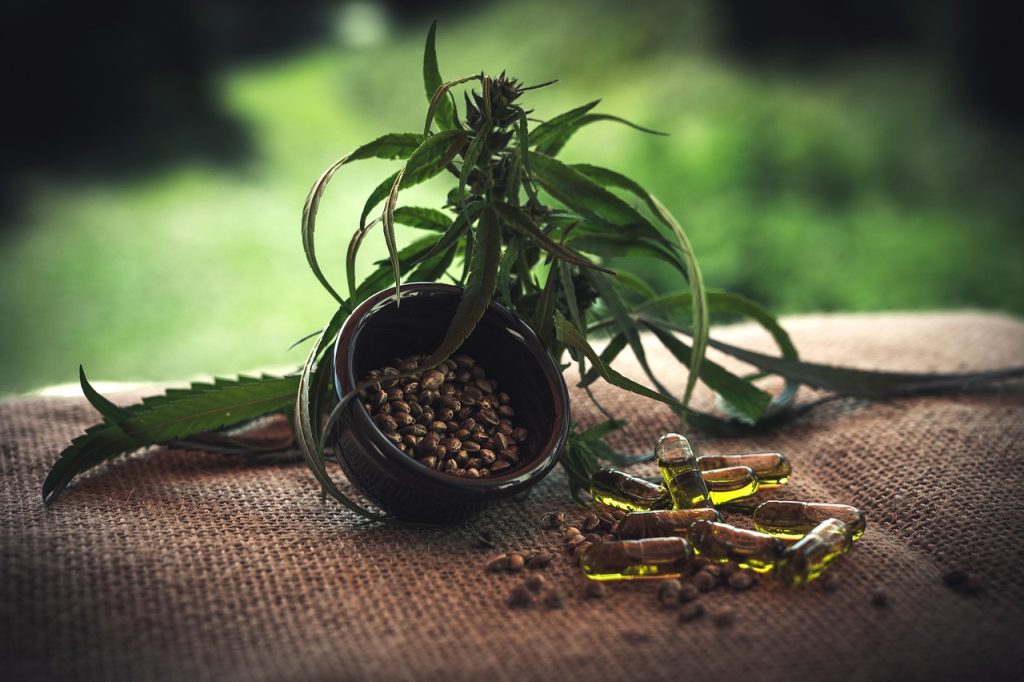
If you’ve ever walked into a dispensary or explored cannabis products online, you’ve likely seen the term “THCA” pop up—maybe in flower descriptions, tinctures, or even lab test results. But what is THCA really? And how is it different from THC?
For many people, anything that sounds like THC must be mind-altering. The truth? THCA doesn’t get you high. But that doesn’t mean it’s not powerful in other ways.
Let’s dig into what THCA is, how it works, and why it’s gaining traction among researchers, wellness enthusiasts, and cannabis beginners alike.
What Is THCA?
THCA stands for tetrahydrocannabinolic acid. It’s a naturally occurring compound found in raw, freshly harvested cannabis. In fact, it’s the precursor to THC—the compound most people associate with feeling “high.”
Here’s the simple version: when cannabis is raw (unheated), it contains THCA. When you apply heat—by smoking, vaping, or cooking—it converts THCA into THC through a process called decarboxylation.
So unless you’re lighting it up or putting it in the oven, that raw cannabis sitting in your grinder isn’t filled with THC—it’s packed with THCA.
Is THCA Psychoactive?
Short answer: No.
THCA is non-psychoactive, meaning it doesn’t produce the mind-altering effects that THC does. That’s because it doesn’t bind well with the brain’s CB1 receptors—the part of your endocannabinoid system that THC activates to create euphoria, intoxication, or that signature cannabis “high.”
This makes THCA an interesting option for people who want to explore cannabis for wellness reasons, without feeling high or impaired.
Understanding the Science of THCA
To really grasp why THCA matters, it helps to understand the basics of how cannabinoids behave in cannabis.
Cannabis plants make cannabinoid acids, not “active” cannabinoids. These acid forms—like THCA or CBDA—are just earlier stages in the plant’s chemical development. Over time, or with heat exposure, they convert into more familiar active forms like THC and CBD.
Key Points About THCA:
- It’s abundant in raw, unprocessed cannabis.
- It’s the acid form of THC.
- It converts into THC through heat or time.
- It won’t get you high in its raw form.
The Health Potential of THCA
Though it’s non-psychoactive, THCA is far from passive. Early research and anecdotal evidence suggest it could have real therapeutic promise.
Many people are turning to THCA for potential wellness benefits such as:
- Anti-inflammatory effects – May help with chronic inflammation or pain conditions.
- Neuroprotective properties – Some studies suggest it may support brain health.
- Antiemetic qualities – Could help prevent nausea and vomiting.
- Appetite regulation – Might be useful for those experiencing appetite loss due to illness or treatments.
The scientific community is just beginning to explore these effects. As studies ramp up, we’ll likely learn much more about just how valuable THCA may be.
How Is THCA Consumed?
Because THCA transforms into THC with heat, not every method of consumption preserves its original state.
Here are some common ways THCA is consumed—without getting you high:
Raw Cannabis Juicing
One of the most straightforward ways to consume THCA is by juicing raw cannabis leaves and buds. This preserves the acid form of cannabinoids, including THCA, and introduces them into your system like you would any vegetable smoothie.
While it won’t taste like your favorite green juice, it might deliver some unique anti-inflammatory and nutritional benefits.
Tinctures and Capsules
Some companies create THCA-specific tinctures and capsules. These are made using cold extraction processes that don’t decarboxylate the compound, keeping THCA intact. This makes dosing easier and avoids the earthy taste of raw flower.
Topicals
Certain wellness products harness THCA for skin or localized pain relief. Because you’re applying it externally, there’s no psychoactive effect—just targeted support.
Where THCA Shows Up on Lab Tests (and Why It Matters)
If you’re looking at cannabis product labels or test results, you’ve probably seen THCA shown as a major component—and THC relatively low. That’s because before heating, cannabis contains mostly THCA. After it’s been smoked or cooked, it turns into THC.
So why does your flower say 22% THCA and only 1% THC? That’s totally normal. It just means the product hasn’t been decarboxylated yet—and once you heat it, a portion of that THCA will turn into THC.
Understanding this can help you make better decisions based on your goals. Whether you’re seeking a potent psychoactive experience or a wellness effect without the high, it starts with reading those numbers correctly.
THCA vs THC: What’s the Actual Difference?
They may look similar on paper—and one transforms into the other—but THCA and THC behave very differently in your body.
Here’s the high-level comparison:
| Feature | THCA | THC |
|---|---|---|
| Psychoactive? | No | Yes |
| Found in? | Raw cannabis | Decarboxylated cannabis |
| Legal status | Often more widely legal | More regulated |
| Effects | Anti-inflammatory, antiemetic | Euphoria, altered perception |
Is THCA Legal?
This is where things get a little complex.
In many regions, the legality of cannabis hinges on THC content. Because THCA is non-psychoactive and isn’t classified the same way as THC (yet), some hemp-derived THCA products are finding legal loopholes under the 2018 Farm Bill.
However, depending on your local laws, this can still fall into a grey area. Some states have already started tightening restrictions around high-THCA hemp products—even if they’re technically compliant by THC standards.
If you’re planning to use THCA regularly, it’s a good idea to check your state’s most current cannabis regulations.
Frequently Asked Questions About THCA
Does THCA Show Up on a Drug Test?
Yes, it can. Most drug tests screen for THC metabolites, especially 11-nor-9-carboxy-THC (THC-COOH). Even if you’re not feeling high, your body could convert some THCA to THC internally—especially if you ingest large amounts.
Can You Cook with THCA?
Cooking with raw cannabis will decarboxylate the THCA, turning it into THC. If you want to preserve THCA, stick to cold preparations—like raw additions to smoothies or no-heat infusions.
Is THCA Safe?
Generally, yes—especially in moderate amounts. Like any supplement or compound, it’s smart to talk to a healthcare provider if you’re using it for a specific health purpose or mixing it with medications.
Final Thoughts: Why THCA Deserves Your Attention
Cannabis is far more than just THC, and THCA is a great example of the plant’s complexity and untapped potential. For those who want the benefits of cannabis without the high, THCA is a compelling option.
Whether you’re managing inflammation, exploring alternative wellness, or just curious about the plant’s full scope, THCA offers a meaningful gateway to discovery. If you’re ready to explore more about cannabis beyond the buzz, keep tuning into our blog for practical tips, research updates, and expert-backed insight. And if this article helped answer your questions, don’t forget to share it with a friend.