
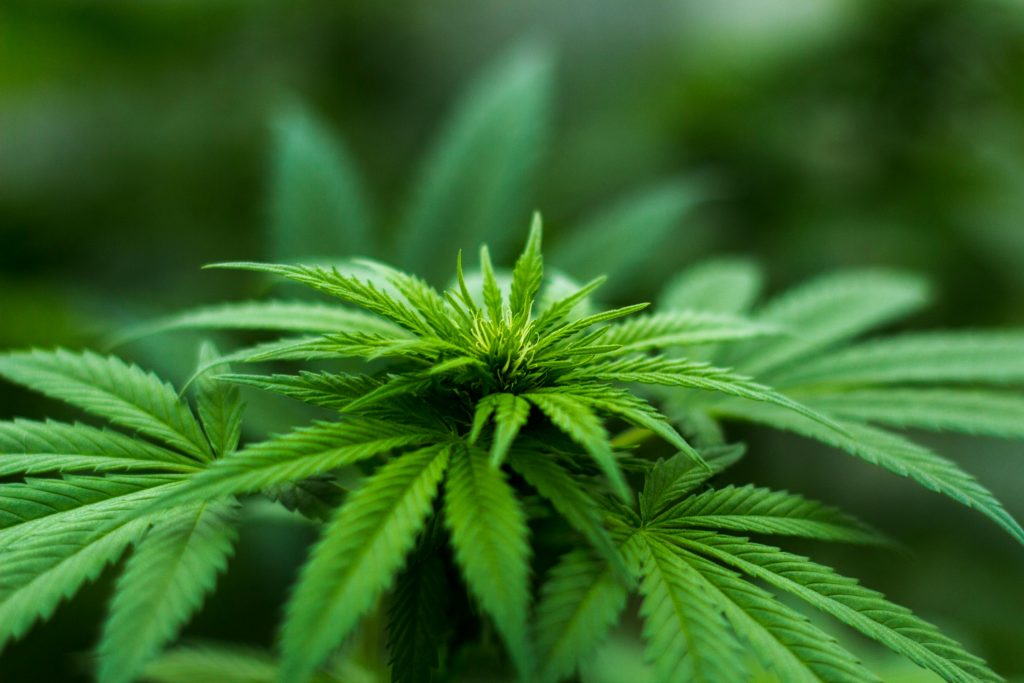
If you’ve ever looked into cannabis and its health benefits, you’ve probably come across THC, the compound famous for its psychoactive effects. But what most people don’t know is that there’s a lesser-known, non-psychoactive cannabinoid making waves in health and wellness—THCA.
So what exactly is THCA, and why is it earning attention for its potential effects on inflammation, the immune system, and beyond? Let’s unpack the science and separate hopeful hype from real-world health benefits.
What Is THCA—and Why Does It Matter?
THCA stands for tetrahydrocannabinolic acid. It’s the raw, unheated form of THC found in live or freshly harvested cannabis.
Here’s the key difference: while THC gets you high, THCA does not. Heating cannabis (through smoking, vaping, or cooking) converts THCA into THC. But when left in its raw form, THCA behaves very differently in your body. What’s interesting is that early studies suggest THCA could have therapeutic benefits without the psychoactive effects usually associated with cannabis. That makes it appealing for anyone seeking relief without intoxication.
THCA and Inflammation: What the Research Suggests
Chronic inflammation is linked to nearly every major health condition—heart disease, arthritis, gut disorders, even depression. That’s where THCA enters the picture. Several lab and animal studies suggest that THCA may have natural anti-inflammatory properties, particularly by influencing key pathways involved in immune signaling and inflammatory response.
While we’re still in the early days of research, the potential is promising enough that many holistic practitioners are taking notice.
Curious how it works? Here’s a quick breakdown:
- THCA appears to block certain inflammatory enzymes, similar to how over-the-counter NSAIDs (like ibuprofen) operate – but via totally different mechanisms.
- In models of inflammatory diseases such as colitis and arthritis, THCA demonstrated reduced swelling and tissue damage.
- Its effects seem to be more pronounced when used in its raw form, rather than converted into THC.
THCA and Immune System Support
Now, let’s talk about immunity—something all of us have been thinking more about lately. Your immune system is your body’s defense team against infection, injury, and illness. But when it overreacts or underreacts, that can spark all kinds of trouble. Early evidence suggests that THCA may help regulate immune function by influencing immune cell activity and cytokine signaling (those are the chemical messengers of your immune response). What does that actually mean?
In plain terms:
- THCA may help quiet an overactive immune system, reducing inflammatory damage.
- It may also help your immune system respond more appropriately when under threat, like from bacteria or viruses.
The Gut-Immune Connection: A Key Piece of the Puzzle
Here’s something a lot of people overlook: your gut plays a huge role in regulating both inflammation and immune function. In fact, about 70% of your immune system lives in your gastrointestinal tract. So what does that have to do with THCA?
Preliminary research suggests THCA may help maintain gut health by:
- Reducing levels of inflammatory markers in the digestive tract.
- Supporting a balanced gut environment, which is critical for immune regulation.
This is especially important because ongoing gut inflammation can lead to autoimmune conditions, allergies, and mood disorders.
THCA vs THC: Why the Difference Matters
Let’s clarify something: THCA and THC are not interchangeable—not in structure, effects, or legal status in many regions. While THC needs heat to activate (what’s known as decarboxylation), THCA is found in raw cannabis and doesn’t cause intoxication. That alone makes it appealing to medical users who want relief without the “high.”
In general:
- THCA may offer therapeutic effects without impairing mental function.
- THC may be more effective for conditions requiring strong neurological effects, like chronic pain or insomnia.
But for immune system support and inflammation, THCA appears to be a promising player.
How People Are Using THCA Today
You might be wondering—how do you actually use THCA if heating it turns it into THC?
The key is to consume cannabis in its raw form, typically through:
- Raw cannabis juicing – blending fresh leaves and buds with fruits or vegetables.
- Tinctures or capsules made from cold-processed cannabis.
- Topical creams and salves, which may contain high levels of THCA when unheated.
It’s worth noting that potency and stability can vary widely, so always source from a provider who understands THCA and handles it properly.
Is THCA Safe?
So far, studies show that THCA has a strong safety profile, especially since it doesn’t affect the brain the way THC does. However, everyone reacts differently—it’s always wise to talk with a healthcare provider who understands cannabis medicine.
Also, more research is needed in humans to understand the full scope of long-term effects and effectiveness. That said, it’s clear that THCA holds enormous therapeutic promise.
Final Thoughts: Why THCA Is Worth Paying Attention To
We’re only beginning to scratch the surface when it comes to understanding cannabinoids like THCA. But what’s clear is this: THCA deserves more attention—especially for its potential to reduce inflammation, modulate immune function, and support gut health. And because it doesn’t produce a psychoactive effect, THCA offers an accessible entry point for those who are hesitant about using cannabis.
Whether you’re looking for natural inflammation support, interested in alternative wellness therapies, or just trying to better understand the full spectrum of cannabis compounds, THCA is a great place to start.