
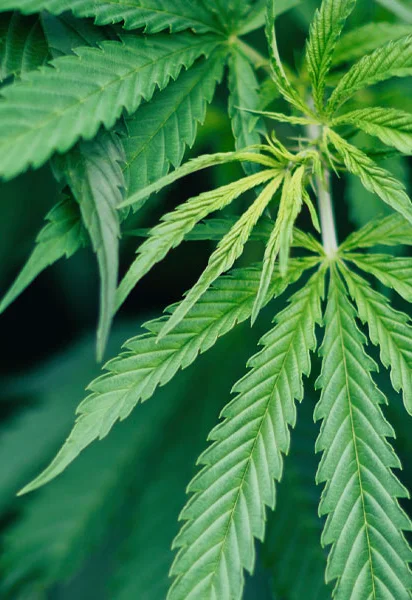
For many, the term “cannabinoids” tends to stir thoughts of getting high or using cannabis recreationally. But there’s a lesser-known side to the plant—one that’s all about healing, not intoxication. Enter THCA, the raw, non-psychoactive form of THC that’s opening doors in the world of natural wellness.
If you’ve ever felt confused hearing about THCA and CBD and wondered what role raw cannabis might have in your health regimen, you’re not alone. A growing number of people are discovering that raw cannabinoids, especially THCA, have unique therapeutic potential that can be a powerful part of a natural healing routine. Let’s break it all down so you can make informed, confident decisions about how you might incorporate THCA into your daily life.
What Is THCA—and Why Should You Care?
THCA, or tetrahydrocannabinolic acid, is found in raw cannabis before it’s dried, heated, or processed. It’s the precursor to THC, meaning it turns into THC when exposed to heat—a process called decarboxylation. What’s important to understand is this: THCA is not intoxicating. You can consume it without getting high.
This gives THCA a unique place in the wellness world, especially for those who want therapeutic support without experiencing the cognitive effects associated with THC.
Research is still growing, but early findings suggest that THCA may support:
- Inflammation reduction
- Nausea relief
- Neuroprotective functions (brain health)
- Antioxidant support
THCA vs. THC: What’s the Difference?
Before adding THCA to your routine, it’s helpful to understand how it compares to THC.
THC is the well-known compound that causes the cannabis “high.” THCA, in contrast, is found in fresh, raw cannabis and has non-psychoactive properties. When cannabis is smoked, vaped, or cooked, THCA converts to THC through heat.
How Raw Cannabinoids Fit Into a Natural Healing Lifestyle
Natural healing isn’t about quick fixes—it’s about making small, sustainable changes that support your body’s own intelligence and health.
THCA fits right into that philosophy. Since it doesn’t impair your mind, it can be safely used during the day or alongside other wellness practices. Here’s how it integrates beautifully into a holistic routine.
Daily Wellness Support
Adding small amounts of raw THCA to your day—through juicing raw cannabis leaves, tinctures, or capsules—can support your immune system, help calm inflammation, and provide your body with antioxidants that protect against cellular stress.
Think of it in the same way you might approach turmeric or ginger: a natural anti-inflammatory that’s part of your everyday wellness support.
Complement to Physical Recovery
If you’re managing chronic pain, arthritis, muscle fatigue, or even recovering from a tough workout, THCA offers a non-habit-forming way to support your body’s recovery process.
Many natural health enthusiasts value THCA for its anti-inflammatory potential without relying on over-the-counter or prescription medications.
Assistance for Gut and Digestion
Though not as widely studied, anecdotal evidence suggests that THCA may help with gut inflammation, appetite stimulation, and nausea control, especially in patients undergoing treatments like chemotherapy.
People experimenting with plant-based diets and fermented foods often find THCA to be a supportive ally in digestive health.
Ways to Integrate THCA into Your Routine
So now that you understand the why—let’s talk about the how.
1. Raw Cannabis Juicing
This is one of the most natural forms of THCA consumption. Using raw, unheated cannabis leaves or buds, you can blend them into green smoothies or freshly pressed juices. This method preserves the THCA content.
2. Sublingual Tinctures
THCA tinctures—made from raw cannabis extract—are dropped under the tongue for quick absorption. They’re often favored by those who want fast-acting results without smoking or vaping.
Start small and monitor how your body responds. Everyone has a different “sweet spot.”
3. Softgel Capsules
Capsules offer an easy and discreet way to add THCA to your supplement regimen. These are typically made using cold-extracted cannabis and preserve the active acid forms like THCA and CBDA. Capsules are ideal if you want a precise, consistent dosage day to day.
4. Topicals and Salves
Some topicals harness the raw cannabis acidity to help reduce localized pain and inflammation. These are used similarly to other natural creams or balms and may be ideal for joint discomfort or skin irritation. Keep in mind: THCA topicals won’t enter your bloodstream, but they do interact with cannabinoid receptors in the skin.
Is THCA Legal?
Like everything cannabis-related, legality depends on where you live. In many states, THCA itself isn’t listed as a controlled substance because it doesn’t cause intoxication.
However, because it’s derived from cannabis, possession may still be restricted depending on how local laws interpret cannabis plant materials—even if it’s raw. Check your state’s cannabis regulations before purchasing or growing. A little research goes a long way.
What to Look for When Buying THCA Products
If you’re just entering this world, quality matters. Not all THCA products are created equal—and unfortunately, some companies market them without proper testing or storage.
Here are a few things to look for:
- Lab-tested products: Always choose companies that provide third-party lab results.
- Cold extraction methods: These maintain the raw acidic forms of cannabinoids without heat degradation.
- Proper storage: Light and heat can convert THCA into THC. Look for products sold in amber glass or airtight containers.
- Local sourcing: If possible, buy local. Not only does it support nearby growers, but freshly harvested cannabis typically retains more THCA.
Can You Combine THCA with CBD or Other Cannabinoids?
Yes, and many people do. THCA can play well with other cannabinoids like CBD and CBDA, creating what’s known as the “entourage effect”—a harmonizing of cannabis compounds for maximum benefit.
Depending on your health goals, some people find value in using:
- THCA alone in the morning for clarity and balance
- CBD in the evening to unwind or calm anxiety
- Topicals with both THCA + CBD for joint or skin care support
Experiment mindfully and track your experience.
Ready to Explore the Therapeutic Benefits of THCA?
Whether you’re managing symptoms, trying to stay ahead of inflammation, or simply curious about natural wellness strategies, THCA offers a world of potential worth exploring.
Conclusion: Small Steps to Raw, Restorative Wellness
THCA is not a buzzword—it’s a powerful piece of the wellness puzzle that’s just beginning to get the recognition it deserves. And for those of us seeking natural, plant-based ways to support our health without unwanted side effects, it might just be the missing ingredient. Start simple. Maybe it’s adding raw cannabis leaves to your morning smoothie or taking a low-dose tincture at the start of your day. Perhaps it’s exploring topicals for localized relief or keeping a journal of how your body responds over time.
One thing is clear: natural healing with THCA is not about doing everything all at once—it’s about making thoughtful, personalized choices that help your body do what it does best: heal. Want to dive deeper? Follow our blog for more insights on cannabinoids, holistic health, and new developments in plant-based medicine. And if you’ve tried THCA in your own wellness routine, we’d love to hear from you—share your story and keep the conversation going.