
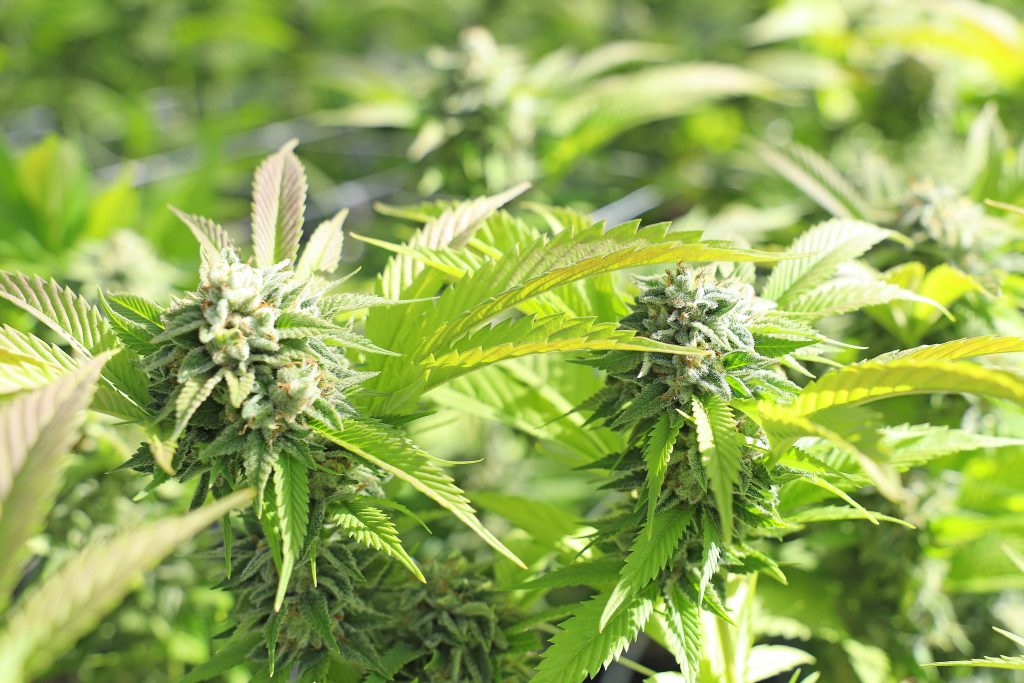
Cannabinoids can seem like a science experiment gone mainstream—especially when names like THCA and CBD start flying around. If you’re new to the world of cannabis or simply curious about how these compounds work, you’re not alone. It can be overwhelming to understand what all these acronyms mean, how they affect your body, and whether any of them are actually good for you.
This guide breaks down the essentials—no hype, no fluff. Just facts, in plain English. We’ll cover what cannabinoids are, how THCA and CBD differ, and why they’re becoming increasingly popular. Whether you’re considering trying them for wellness benefits or you’re just curious, you’re in the right place.
What Are Cannabinoids?
Cannabinoids are naturally occurring compounds found in the cannabis plant. There are over 100 different cannabinoids, but the most well-known ones are THC (the psychoactive compound) and CBD (the non-intoxicating one).
But there’s a lot more to it than just “getting high” or “feeling relaxed.” Each cannabinoid interacts differently with the body’s endocannabinoid system—a complex network of receptors that help regulate things like pain, sleep, mood, and appetite.
The Endocannabinoid System: Your Body’s Built-in Balance Keeper
Here’s where it gets interesting. Your body actually produces its own cannabinoids, called endocannabinoids. These natural compounds help keep your internal systems in balance.
When you consume cannabis-derived cannabinoids—what we call phytocannabinoids—they interact with the same receptors in your body.
This interaction can influence:
- Stress levels
- Inflammation and pain
- Sleep cycles
- Appetite
- Mood stability
Which brings us to two cannabinoids you’re probably hearing a lot about: THCA and CBD.
What Is THCA?
Let’s start with the lesser-known—but increasingly popular—compound: THCA.
THCA stands for tetrahydrocannabinolic acid. It’s the raw, non-psychoactive form of THC. In its natural state—before it’s heated—THCA doesn’t get you high. That only happens when it’s “activated” through heat (like smoking or baking), a process known as decarboxylation.
Key Traits of THCA:
- Non-intoxicating in raw form: It won’t get you high unless it’s heated.
- Found in raw or cold-processed cannabis: Often used in juices, tinctures, or capsules.
- Being studied for its potential anti-inflammatory and neuroprotective properties.
Researchers are still digging into what THCA can really do, but early studies seem promising. Because it doesn’t produce a high in raw form, many people view it as a safe way to explore cannabis’s health benefits without psychoactive effects.
What Is CBD?
You’ve probably already heard a lot about CBD—it’s everywhere from health stores to wellness blogs.
CBD stands for cannabidiol. Unlike THC, it is completely non-intoxicating, which means it won’t get you high—regardless of how it’s consumed.
Key Traits of CBD:
- Non-psychoactive: Safe to use during the day or for working professionals.
- Often used for anxiety, chronic pain, and sleep issues.
- Available in oils, capsules, drinks, edibles, creams, and more.
CBD interacts with your endocannabinoid system differently than THC or THCA. It tends to work more indirectly, promoting overall balance rather than triggering a strong response from your body.
How THCA and CBD Compare
Although both THCA and CBD are non-intoxicating, they offer different benefits and working mechanisms. To really understand which might be more useful for you, here’s a quick breakdown.
| Feature | THCA | CBD |
|---|---|---|
| Source | Found in raw cannabis | Found in all cannabis strains |
| Psychoactive? | No (unless heated) | No |
| Common Uses | Inflammation, neuroprotection (under study) | Anxiety, sleep, pain relief |
| Consumption Forms | Juices, raw tinctures, capsules | Oils, edibles, vapes, topical creams |
| Scientific Research | Still emerging | More established |
How These Cannabinoids Might Help You
The beauty of cannabinoids like THCA and CBD is that they allow you to explore the benefits of cannabis without the traditional high associated with THC.
That said, outcomes vary widely depending on dosage, how your body responds, and how the product is processed. Here’s how some users are incorporating them:
Users explore THCA for:
- Early signs of inflammation-related conditions
- Preventative wellness regimens
- Antioxidant effects
Users turn to CBD for:
- Calming restless thoughts
- Smoothing out stress levels
- Managing headaches or chronic pain
Is It Legal to Use Cannabinoids Like THCA and CBD?
Great question. Legality depends on where you live.
- CBD derived from hemp (with less than 0.3% THC) is legal federally in the U.S., though some states have restrictions.
- THCA occupies a more complicated legal gray area. In some states, it’s considered legal because it’s not psychoactive. But once it converts to THC through heat, it may become regulated differently.
It’s always a good idea to check local laws—or consult a licensed provider—before purchasing or using cannabis-based products.
What About Side Effects?
Just because a cannabinoid is non-intoxicating doesn’t mean it’s risk-free. Everyone’s endocannabinoid system responds a little differently.
Possible Side Effects:
- Fatigue or drowsiness
- Changes in appetite
- Mild digestive upset (especially when taken orally)
If you’re on medications, it’s extra important to talk to your healthcare provider before starting any new supplements, including CBD or THCA products.
How to Choose the Right Product for You
When you’re ready to try cannabinoids, quality matters. Here’s what to look for:
- Third-party lab testing: This ensures what’s on the label is what’s in the bottle.
- Transparent sourcing: Look for brands that explain where and how their cannabis is grown.
- Easy-to-understand labels: Avoid products packed with scientific jargon or unclear dosing instructions.
And remember: start slow. Everyone’s body is different, and the goal is to find what works for you.
Conclusion: Start Small, Stay Informed, Ask Questions
Cannabinoids like THCA and CBD offer exciting possibilities for wellness—but they can also be confusing, especially at first. Between legality questions, different formats, and how to take them safely, it’s easy to get overwhelmed. But you don’t have to figure it out all at once.
Take your time. Learn how your body responds. Ask questions. And always opt for professionally sourced, clearly labeled products over trends. If you want to go deeper, explore our guides on cannabinoid science, individual compounds, and latest research.